
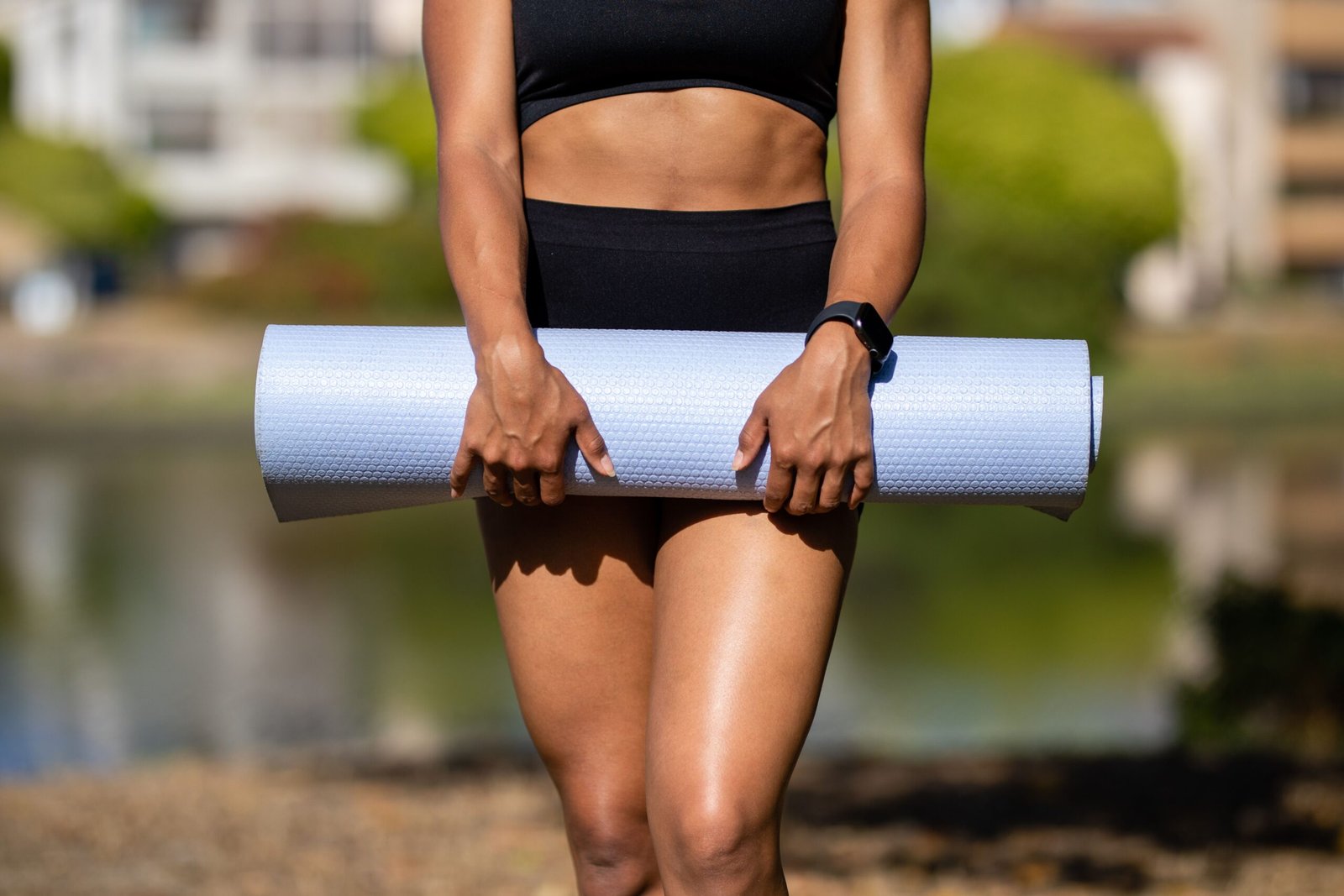
If you’re starting a home yoga practice, the mat is the one piece of equipment you can’t skip — and it’s also where beginners waste the most money, either overspending on features they don’t need or underspending on something so thin and slippery it makes every pose harder than it should be.
This guide rounds up the best yoga mats for home practice for exactly that situation: enough cushioning to protect your knees and spine, enough grip to hold a downward dog without sliding, and a price that makes sense before you know if yoga is going to stick. If you’re building out a broader home workout space, a good mat pairs naturally with the mobility and bodyweight work covered in our calisthenics guide — and if floor space is tight, it’s worth checking our small space home gym setup for how to store it when you’re not using it.
We’re not ranking these by “best overall” alone — a mat that’s perfect for a small apartment might be wrong for someone who sweats heavily in hot yoga, so each pick below calls out exactly who it’s for.
Quick Comparison — Best Yoga Mats for Beginners
| Product | Best For | Price (approx.) | Rating |
|---|---|---|---|
| Gaiam Essentials Thick Yoga Mat | Absolute beginners on a budget | $25–$35 | 4.5/5 |
| BalanceFrom GoYoga All-Purpose Mat | Extra knee/joint cushioning | $25–$30 | 4.6/5 |
| Manduka PRO Yoga Mat | Long-term durability, daily practice | $120–$140 | 4.8/5 |
| Liforme Yoga Mat | Alignment guides for improving form | $140–$160 | 4.7/5 |
| Jade Harmony Yoga Mat | Grip and eco-friendly materials | $75–$90 | 4.7/5 |
Our Top Picks for Home Yoga Practice
Gaiam Essentials Thick Yoga Mat — best for absolute beginners on a budget
At around $25–$35, this is the easiest low-risk entry point if you’re not sure yoga is going to become a habit yet. It’s 0.6 inches thick, which is noticeably more cushioned than standard studio mats, making it more forgiving on knees and wrists during kneeling or plank-based poses.
Why we recommend it: it removes the two biggest beginner complaints — hard floors under your knees, and a price tag that stings if you stop after a month.
Pros:
- Very affordable
- Extra thickness cushions joints well
- Comes with a carrying strap
Cons:
- Softer surface makes balance poses slightly less stable
- Grip is decent but not top-tier once you sweat
BalanceFrom GoYoga All-Purpose Mat — best for extra joint cushioning
Similar price bracket to the Gaiam, but built specifically around a high-density foam that prioritizes comfort for anyone with sensitive knees, hips, or lower back. It’s a popular pick for beginners easing into floor-based stretching and mobility work, not just traditional yoga flows.
Why we recommend it: if joint discomfort is the reason you’ve avoided floor exercises before, this is the mat built to solve that specific problem.
Pros:
- Exceptional cushioning for the price
- Non-slip texture on both sides
- Lightweight and easy to roll up
Cons:
- Thicker foam can make some standing balance poses feel less grounded
- Less durable long-term than premium mats
Manduka PRO Yoga Mat — best for long-term durability
This is the mat to buy once you know you’re practicing regularly and don’t want to replace your mat every year. Manduka backs the PRO line with a lifetime guarantee, and it’s a fixture in studios specifically because it holds up to years of daily use without breaking down.
Why we recommend it: the cost per use ends up lower than a budget mat you replace three times, and the denser material actually improves grip the more it’s used.
Pros:
- Lifetime guarantee
- Extremely durable, closed-cell surface resists moisture
- Excellent stability for standing poses
Cons:
- Higher upfront cost
- Heavier than travel-style mats
- Needs a short break-in period before grip fully develops
Liforme Yoga Mat — best for improving alignment and form
Liforme’s signature feature is a printed alignment guide directly on the mat — subtle markings that help you position your feet and hands consistently, which is genuinely useful when you’re learning poses without a teacher correcting you in person.
Why we recommend it: for beginners practicing from YouTube videos or apps at home, the alignment markers act as a built-in form check.
Pros:
- Alignment guide is genuinely helpful for self-taught practice
- Excellent grip, including in sweaty conditions
- Eco-friendly, biodegradable material
Cons:
- Premium price point
- Alignment lines can feel unnecessary once you’re experienced
Jade Harmony Yoga Mat — best for grip and eco-friendly materials
Made from natural rubber rather than PVC, the Jade Harmony is a favorite for anyone who wants a smaller environmental footprint without sacrificing performance. The open-cell rubber surface provides some of the best natural grip available, improving as you sweat rather than becoming slicker.
Why we recommend it: it’s the rare eco-friendly mat that outperforms synthetic alternatives on grip, rather than being a compromise.
Pros:
- Excellent natural grip, especially warm/sweaty sessions
- Biodegradable, natural rubber construction
- Jade plants a tree for every mat sold
Cons:
- Natural rubber has a distinct smell when new (fades with airing out)
- Less durable on rough surfaces than synthetic mats
What to Look for When Buying a Yoga Mat
Thickness. Standard mats run about 1/8 inch (3mm) — fine for balance-focused practices like Vinyasa, but harder on knees. Beginners doing more floor work or restorative yoga often prefer 5–6mm for extra cushioning, though very thick mats can make standing balance poses less stable.
Material and grip. PVC mats are cheap and durable but less eco-friendly. TPE is a middle ground — decent grip, lighter environmental impact, moderate price. Natural rubber offers the best grip, especially once you start sweating, but costs more and isn’t ideal for latex allergies.
Texture. A slightly textured surface prevents sliding during transitions between poses — smooth mats look nice but can become genuinely dangerous once your hands or feet sweat.
Size. Standard mats are about 68 inches long, which is tight for anyone over roughly 5’8″. Extra-long mats (72–74 inches) are worth the small price difference if height is a concern.
Ease of cleaning and storage. Closed-cell mats (Manduka PRO, most PVC mats) resist moisture absorption and wipe clean easily. Open-cell natural rubber mats grip better but need more careful cleaning to avoid odor buildup over time.
Research from Harvard Health Publishing outlines the broader physical and mental health benefits of a consistent yoga practice — useful context if you’re still deciding whether it’s worth building a home setup around.
Frequently Asked Questions
Do I really need a special yoga mat, or can I use a regular exercise mat? A regular exercise or gym mat can work for basic stretching, but most lack the grip texture yoga mats are designed with, which becomes a real problem in poses that put weight on your hands and feet. If you’re doing yoga more than occasionally, a dedicated mat is worth it.
How thick should a beginner’s yoga mat be? Somewhere between 4mm and 6mm is the sweet spot for most beginners — thick enough to cushion knees and joints, thin enough to still feel stable in standing poses. Ultra-thin competition mats (1.5–2mm) and ultra-thick mats (over 8mm) both create trade-offs beginners usually don’t want yet.
What’s the difference between PVC, TPE, and natural rubber mats? PVC is the most affordable and durable but the least eco-friendly and can feel stiff. TPE balances grip, weight, and environmental impact at a mid-range price. Natural rubber offers the best grip, especially when sweating, but costs more and has a noticeable smell when new.
How do I clean and maintain a yoga mat? A diluted mix of water and mild soap, wiped down with a soft cloth after sweaty sessions, keeps most mats in good shape. Avoid soaking natural rubber mats or using harsh cleaners, which can break down the material faster.
Is a more expensive yoga mat actually worth it for a beginner? Not necessarily on day one — a budget mat like the Gaiam or BalanceFrom is a smart way to confirm you’ll actually stick with a home practice. Once that’s established, upgrading to a Manduka, Liforme, or Jade pays off through better durability and performance over years of use.
Final Thoughts
You don’t need to overthink this purchase to get started. If you’re not sure yoga will stick, the Gaiam or BalanceFrom mats remove the financial risk while still giving you real cushioning and grip. If you already know you’ll be practicing regularly, the Manduka PRO or Jade Harmony are investments that pay off in durability and performance over years, not months.
Whichever you choose, the mat matters less than showing up on it consistently — so pick one that removes friction (literally and otherwise) and start your practice.